With great pleasure, we will explore the intriguing topic related to The Taiwan Strait: A Geopolitical Fault Line. Let’s weave interesting information and offer fresh perspectives to the readers.

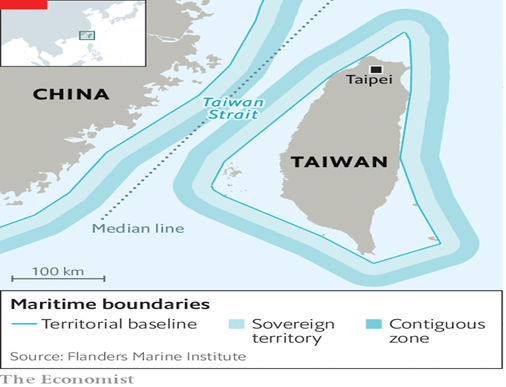
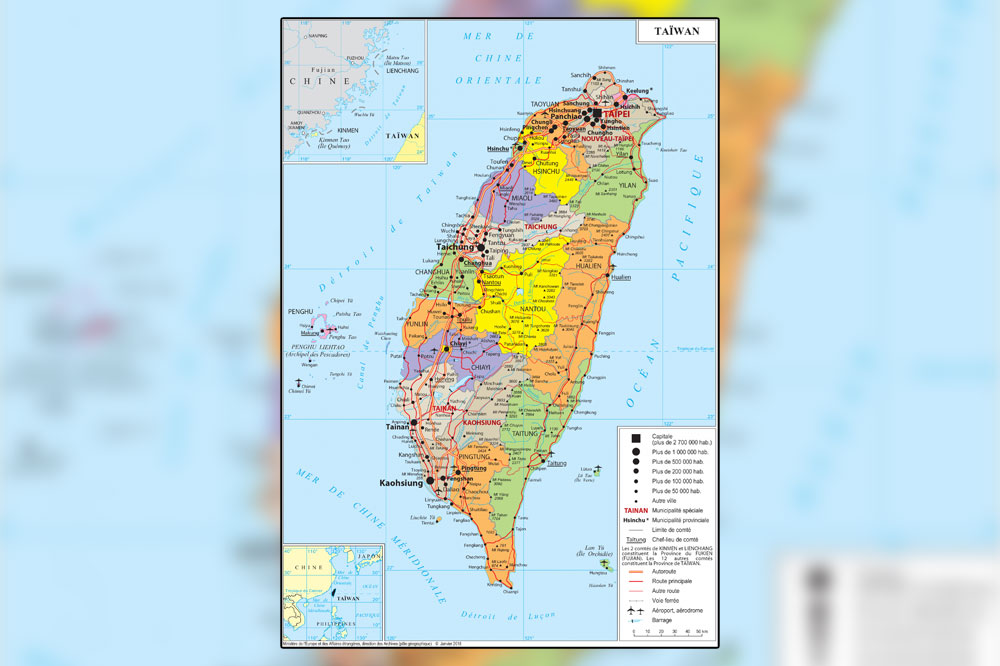
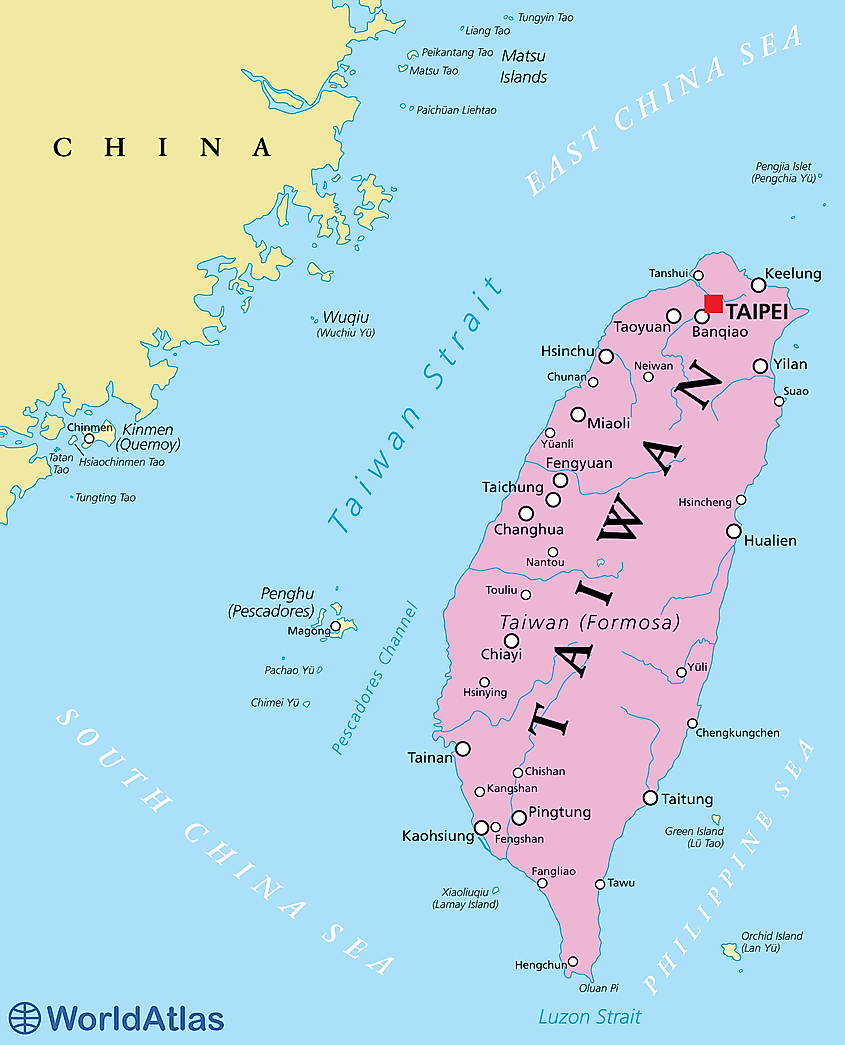
The Taiwan Strait, a 180-kilometer wide body of water separating mainland China and the island of Taiwan, is more than just a geographical feature. It is a geopolitical fault line, a site of historical complexities, ongoing political tensions, and significant economic interdependence. Understanding the relationship between China and Taiwan, and the significance of the Taiwan Strait, requires a comprehensive examination of the historical, political, economic, and military factors that shape this complex dynamic.

The relationship between China and Taiwan is deeply rooted in history. Taiwan, historically known as Formosa, was claimed by the Dutch in the 17th century, before being incorporated into the Qing Dynasty in the 18th century. In 1895, following the First Sino-Japanese War, Japan annexed Taiwan, ruling it for over 50 years.
After World War II, Taiwan was returned to China, but the Chinese Civil War, which had erupted in 1927, continued. In 1949, the Chinese Communist Party (CCP) emerged victorious, establishing the People’s Republic of China (PRC) on the mainland. The defeated Nationalist government, led by Chiang Kai-shek, fled to Taiwan, establishing the Republic of China (ROC).
This division marked the beginning of the "One China" policy, a core principle in China’s foreign policy that asserts the existence of only one sovereign Chinese state. The PRC claims sovereignty over Taiwan, viewing it as a renegade province, while the ROC maintains that it is a sovereign and independent country.

The "One China" policy has been a source of ongoing political tension. The PRC has consistently opposed any attempts by Taiwan to declare independence, while Taiwan has maintained its own separate political identity. This tension has been exacerbated by the PRC’s increasing military modernization and assertive foreign policy.
The issue of Taiwan’s political status has become a key focal point in the broader US-China rivalry. The United States, while officially recognizing the PRC as the sole legitimate government of China, maintains unofficial relations with Taiwan and has pledged to support its defense. This commitment, along with US military presence in the region, serves as a deterrent to any potential Chinese military action against Taiwan.

Despite the political tensions, China and Taiwan have developed a deep economic interdependence. Taiwan is a major investor in China, with Taiwanese companies playing a significant role in China’s economic development. Conversely, China is a major trading partner for Taiwan, with a significant portion of Taiwan’s exports going to the mainland.
This economic interdependence has created a complex web of relationships, making any potential conflict between the two sides highly risky. The economic consequences of a military confrontation would be devastating for both sides, potentially triggering a global economic crisis.

The Taiwan Strait is a strategically important waterway, connecting the Pacific Ocean to the South China Sea. This strategic location makes it a vital maritime route for global trade, and the potential for conflict in the region has raised concerns about the stability of the entire Indo-Pacific region.
The PRC has significantly expanded its military capabilities in recent years, including the development of advanced weaponry and the construction of new military bases. This has led to increased tensions in the region, with Taiwan and its allies, including the US, strengthening their own military posture.
The future of the Taiwan Strait remains uncertain. The political tensions between China and Taiwan, coupled with the increasing military build-up, create a volatile and unpredictable environment.
However, the economic interdependence between the two sides, coupled with the international pressure to maintain peace and stability, suggests that a peaceful resolution is still possible.
The Taiwan Strait is strategically important for its location, connecting the Pacific Ocean to the South China Sea, making it a vital maritime route for global trade. It is also a geopolitical fault line, representing the ongoing political tension between China and Taiwan.
The "One China" policy is a core principle in China’s foreign policy that asserts the existence of only one sovereign Chinese state. The PRC claims sovereignty over Taiwan, viewing it as a renegade province.
The United States, while officially recognizing the PRC as the sole legitimate government of China, maintains unofficial relations with Taiwan and has pledged to support its defense. This commitment serves as a deterrent to any potential Chinese military action against Taiwan.
China and Taiwan have developed a deep economic interdependence, with Taiwan being a major investor in China and China being a major trading partner for Taiwan. Any conflict would have devastating economic consequences for both sides.
A conflict in the Taiwan Strait could escalate into a wider regional conflict, potentially involving the US and other regional powers. It could also disrupt global trade and trigger a global economic crisis.
The Taiwan Strait is a complex and evolving landscape, shaped by historical legacies, political tensions, economic interdependence, and military considerations. The future of the region remains uncertain, but understanding the dynamics at play is crucial for navigating the challenges and opportunities that lie ahead.
The Taiwan Strait issue is not just a regional concern, but a global one, with implications for international security, economic stability, and the balance of power in the Asia-Pacific region. By engaging in informed and nuanced discussions about the Taiwan Strait, we can contribute to a more peaceful and prosperous future for the region and the world.


Thus, we hope this article has provided valuable insights into The Taiwan Strait: A Geopolitical Fault Line. We thank you for taking the time to read this article. See you in our next article!
Navigating the City of Angels: Google Maps and the Bangkok Experience Related Articles: Navigating the City of Angels: Google Maps…
The Crucial Role of the Manifold Absolute Pressure (MAP) Sensor in Modern Automobiles Related Articles: The Crucial Role of the…
Mapping the Inferno: Understanding California’s Wildfire Crisis Through Spatial Analysis Related Articles: Mapping the Inferno: Understanding California’s Wildfire Crisis Through…
Your email address will not be published.